Byster Cheat for Hunt Showdown: ESP, Traps and Prediction

Working
Byster Byster
Last update 13.08.2026 This date shows when the software was last updated. An old date doesn't mean the software stopped working! Most likely the developer just had nothing new to add. If you have any doubts, you can always check the current status with our support team.
Add another cheat from this game too — to compare them.
Hunt Showdown Byster
Steam
Windows support: 10: 21h1, 22h2, 23h2, 24h4; 11: 21h2, 22h2, 23h2, 24h2, 25h2
Menu language: English, Russian, Chinese
Spoofer:No
USB drive:No
BIOS:No

User information

Game mode must be fullscreen. Hunt is stated for fullscreen, and in windowed mode the overlay and radar land wrong. Check the game settings before the first launch.

System: Windows 10 or 11, x64, with a build range from 21H2 to 25H2. To find your version: win + R winver . AMD or Intel CPU, Steam client. A spoofer is not included, and no flash drive or BIOS edits are needed.

Launching: the Byster loader, the Download button, then the game. Battle mode sits on its own key, so set the bind before dropping into a match.

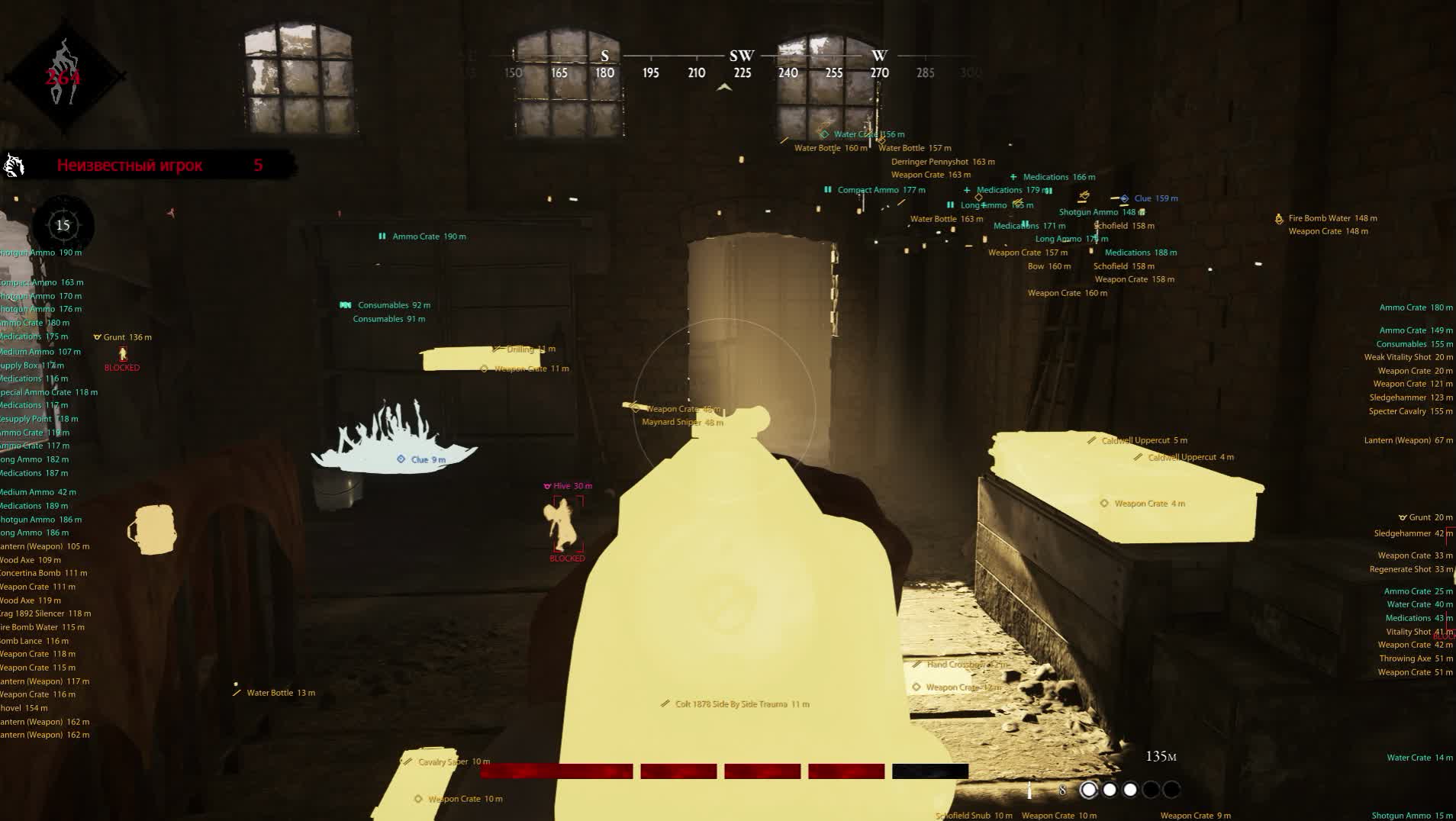
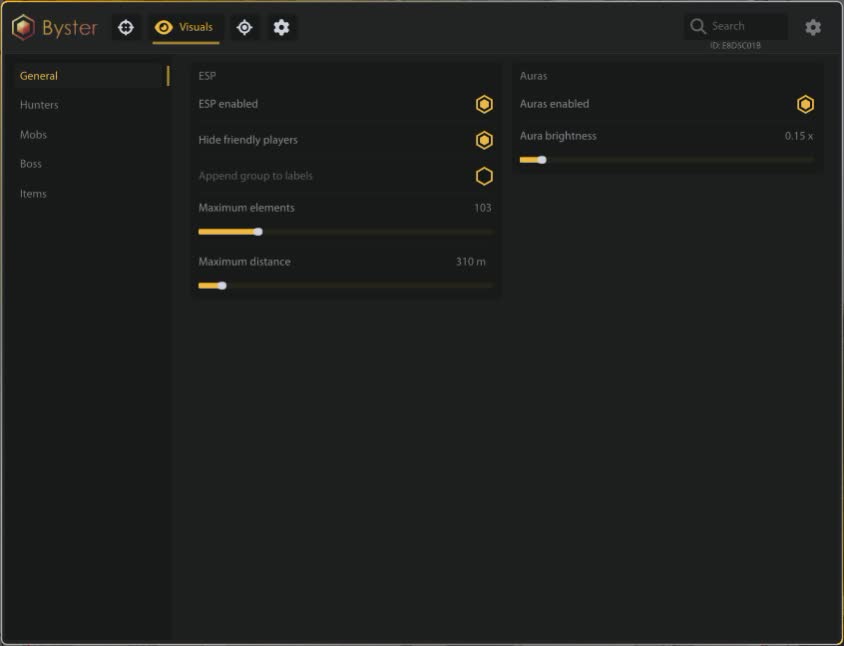
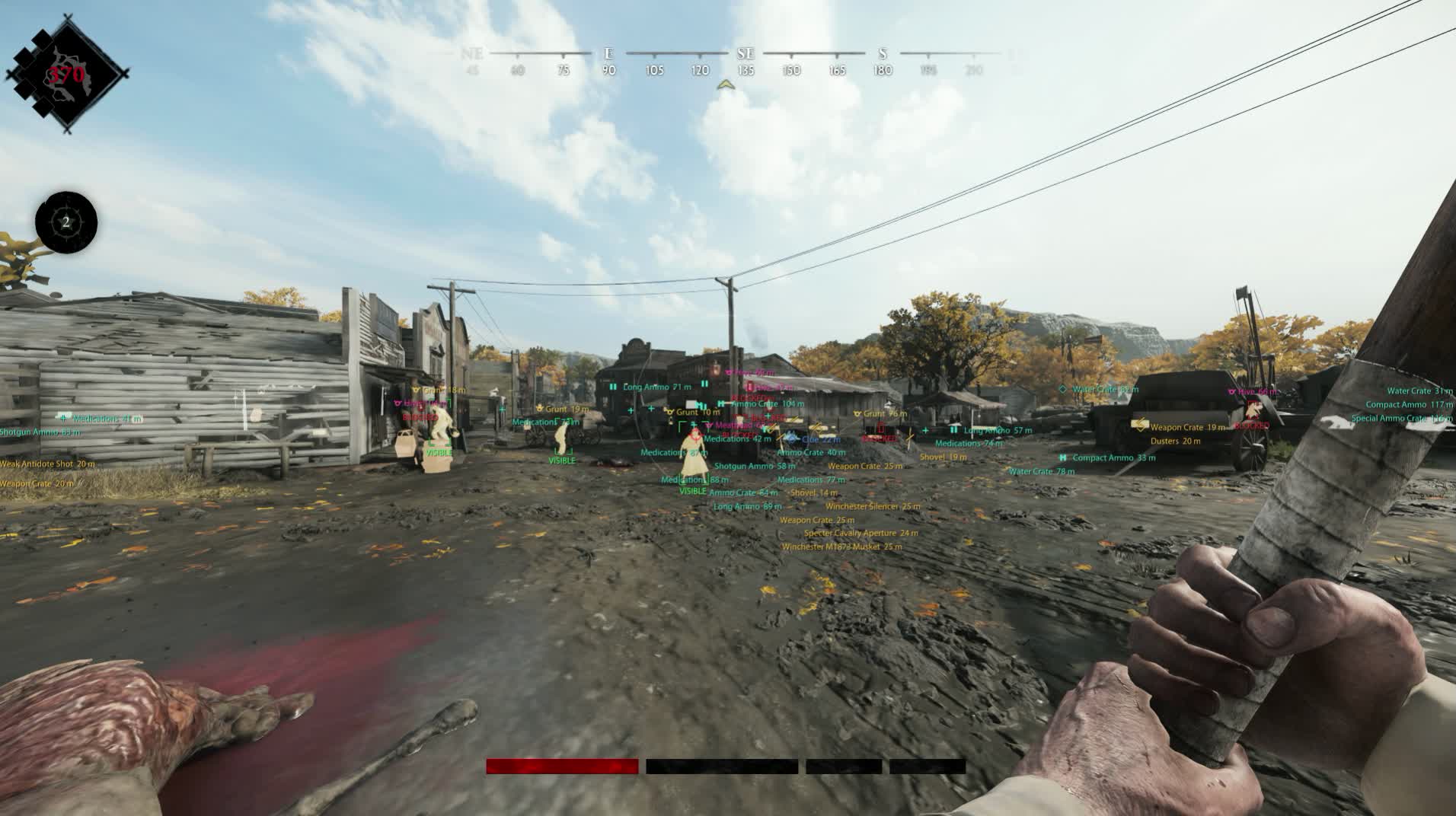
The first thing to do is open the general ESP settings and cap the maximum number of elements on screen. Hunt keeps dozens of monsters, supplies and objects alive on a map at once, and without that limit the screen floods with markers until a hunter is invisible among them.

The key and the loader link arrive at the email you gave at checkout. There is no account area on the site, so type the address carefully.

SCREENSHOTS
Description

Hunt runs on sound. Crows, chained dogs, broken glass underfoot, hives — the map itself tells the enemy where you walk. Half the deaths in this game come not from a good shot but from someone hearing you two hundred metres away and already sitting in position.

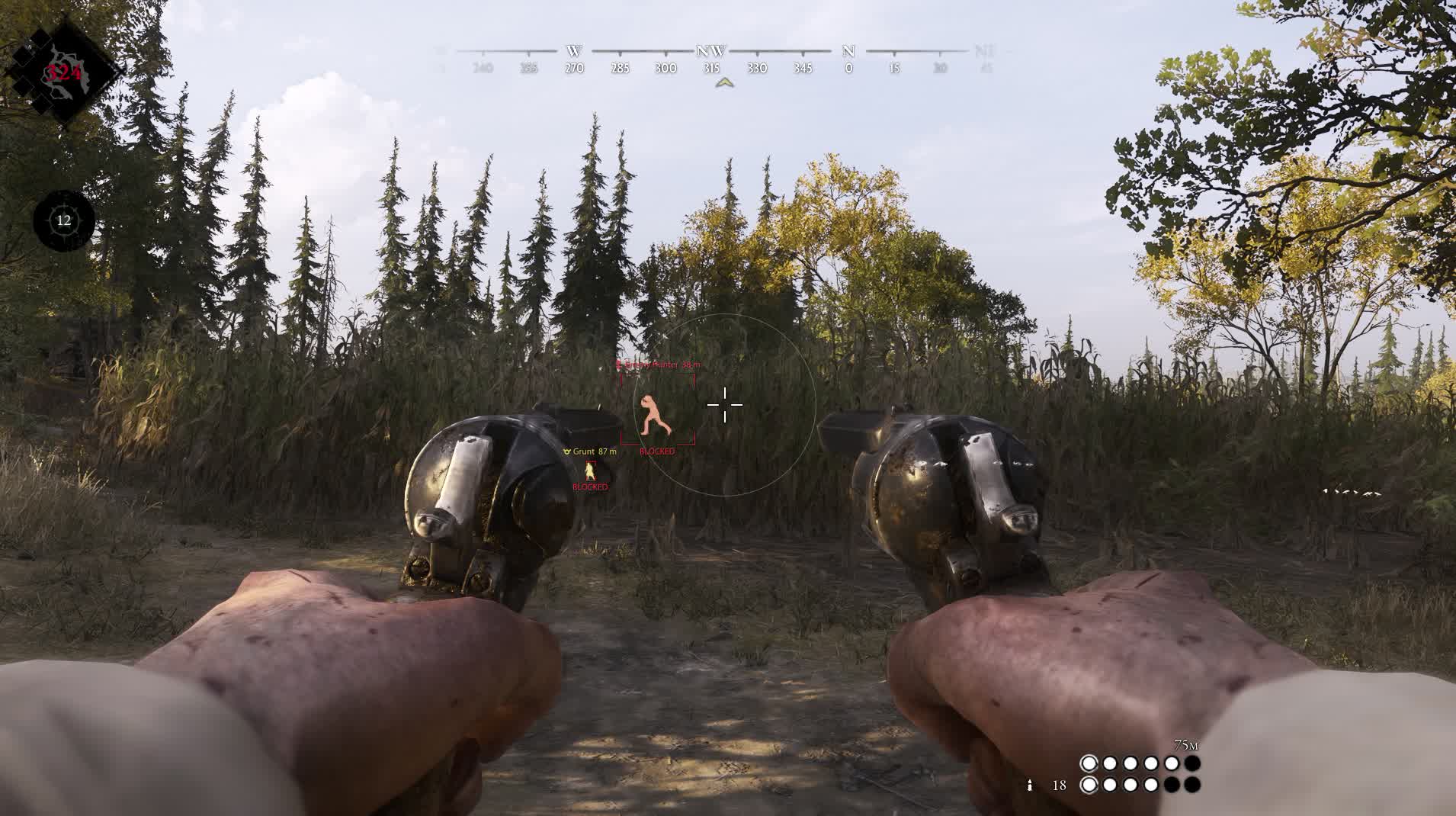
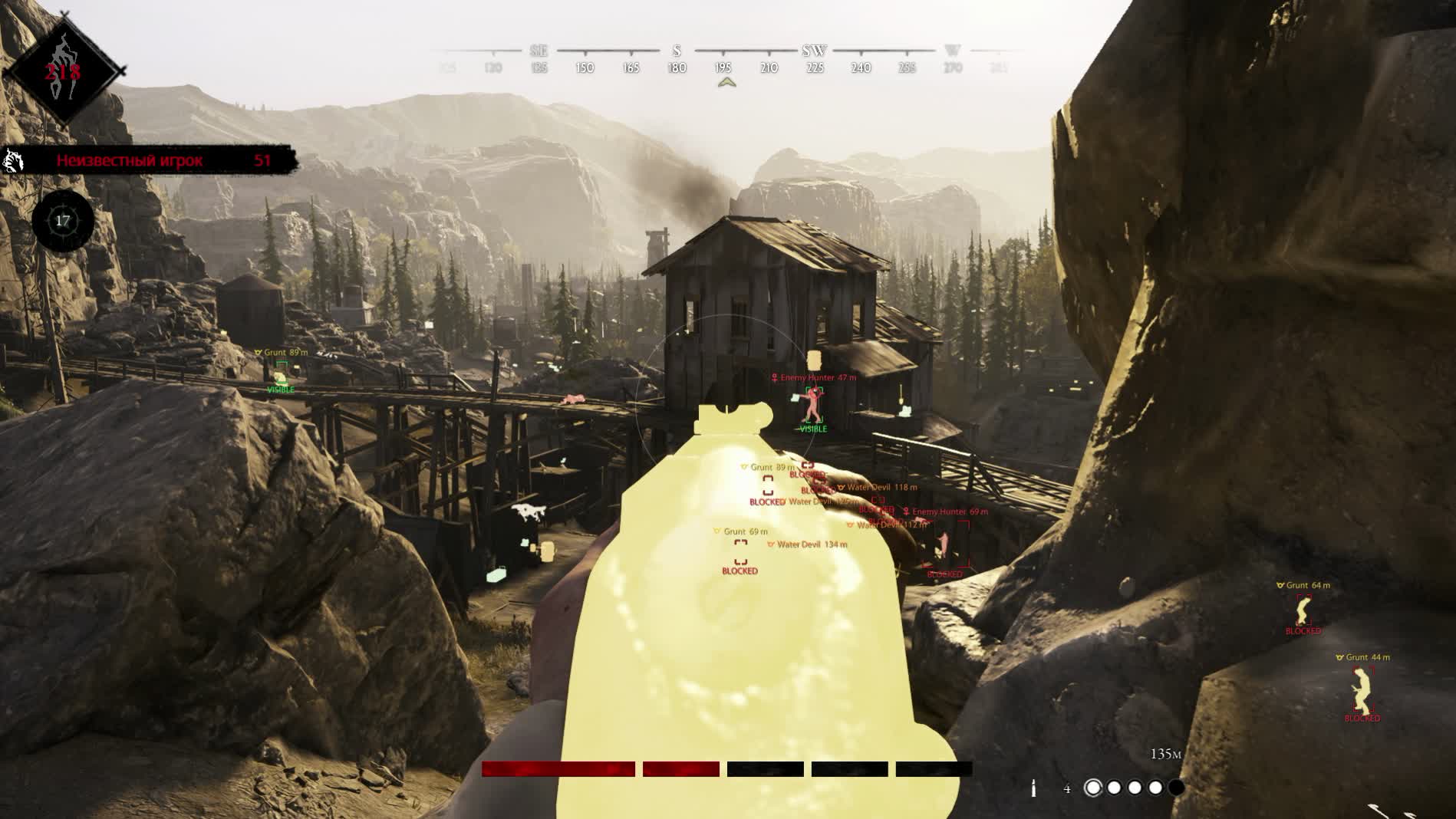
The Byster build breaks that asymmetry from two sides. First, noise trap ESP: you see where the glass lies and the crows hang before stepping into them. Second, hunters, bots, monsters and the boss on separate layers, with boxes, skeletons and adjustable glow brightness.

The aim comes with prediction: bullets in Hunt travel and drop, so the lead is calculated from projectile speed and capped by a maximum prediction time. Add no recoil and no spread. The menu runs in Russian, English and Chinese. There is no spoofer in the build.

Product features

Aim

Target types

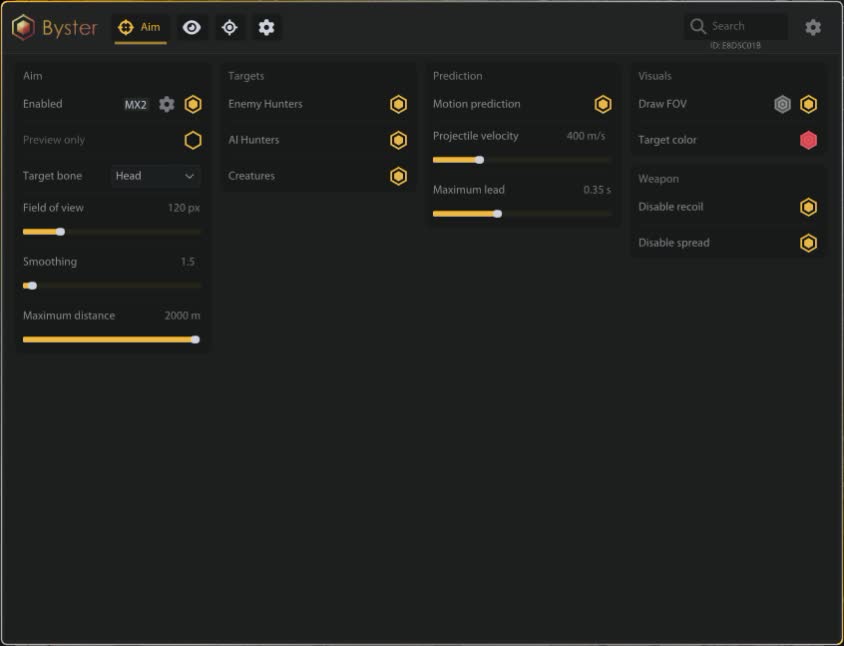
Separate toggles for enemy hunters, bot hunters and monsters. You can keep it to people only, or hang it on grunts as well.

Aim point

Head, chest, pelvis or nearest to the crosshair. That last option is the calmest: the aim does not drag across the screen but finishes the shot you were already lining up.

FOV, smoothing, distance

Capture radius with an on-screen circle in your own colour, pull smoothing and a maximum working range.

Preview only

A mode where the aim shows the target without touching your crosshair. Handy for watching how it behaves before switching it on for real.

Projectile prediction

Movement lead

Bullets in Hunt travel and drop. Prediction derives the lead point from projectile speed, which you set for your own weapon.

Time cap

A maximum prediction time cuts off calculations that reach too far. At ranges where the bullet takes too long, the lead lies more often than it helps.

Weapon modifications

No recoil

Removes muzzle climb. On shotguns and bolt actions the difference is slight; on fast-firing weapons it shows immediately.

No spread

Removes random deviation. It works together with prediction, since spread otherwise ruins the lead calculation.

ESP: hunters

Three categories

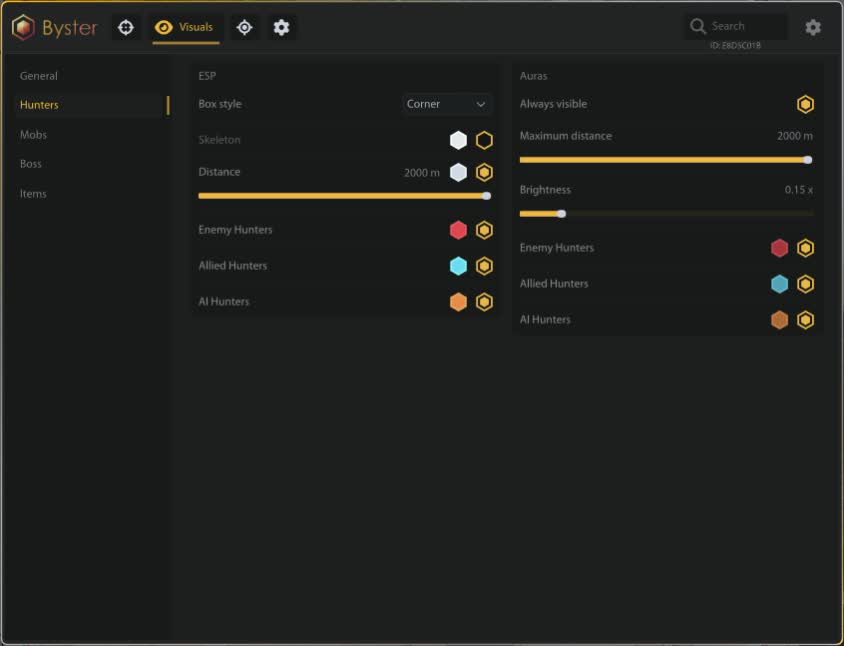
Enemy hunters, allied hunters and bots, each with its own toggle and its own ESP and glow colours.

What gets drawn

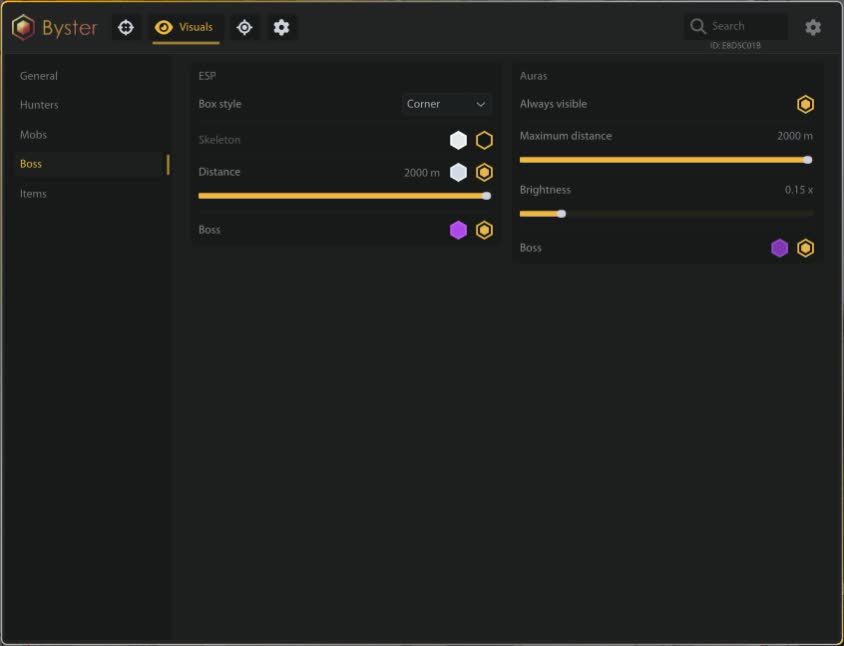
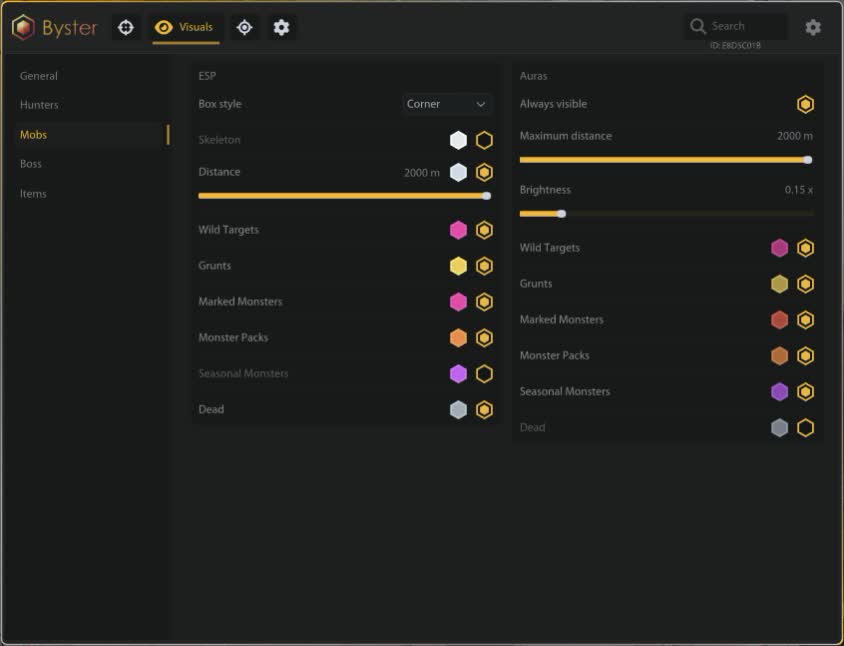
Corner or full box, skeleton, distance. The team number is printed in the label, so you know whether it is a trio or a pair of solos.

Glow through walls

Model glow with brightness, maximum distance and an always-show mode regardless of line of sight.

ESP: monsters and boss

Six monster types

Wild targets, grunts, marked, groups, seasonal and dead entities. Each category toggles separately, so you can keep only the dangerous ones.

Boss on its own layer

Its own toggle, colours and range. The lair shows before you reach the door, so you can decide whether to go in or wait out someone else's trade.

Dead entities

Shows what is already killed. A quick way to tell that another team came through recently.

ESP: items and objects

Objectives and extraction

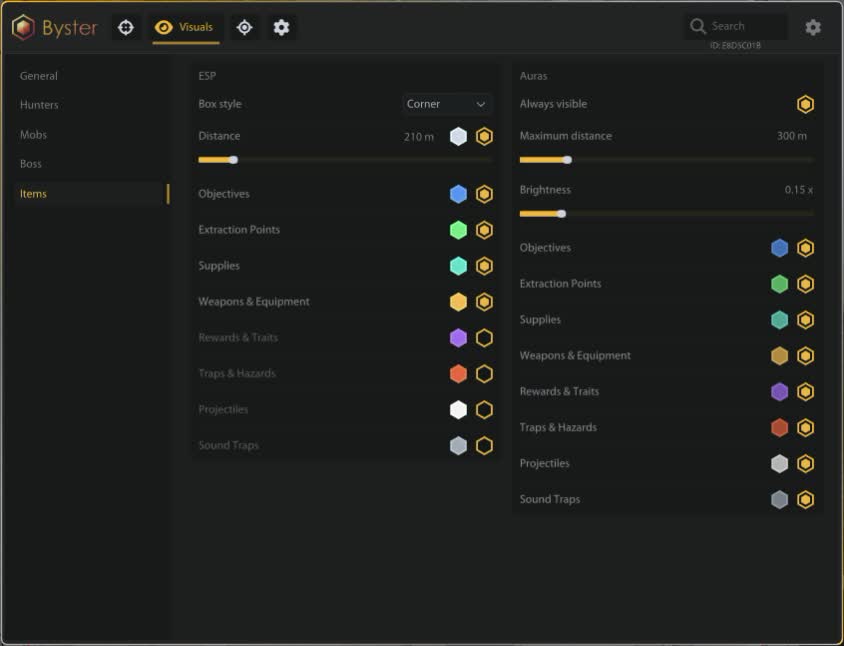
Clues, the contract target and exit points on one layer. The route gets planned right after the drop instead of after the third clue.

Noise traps

A category of its own: crows, dogs, glass, hives and everything else that gives you away by sound. The most valuable toggle in the build.

Traps and hazards

Tripwires, bear traps and anything you can step on in the dark. Plus ammunition on the ground.

Supplies and gear

Med kits, ammo, weapons, rewards and traits, with a distance filter so you do not light up half the map.

Radar

Mini-map

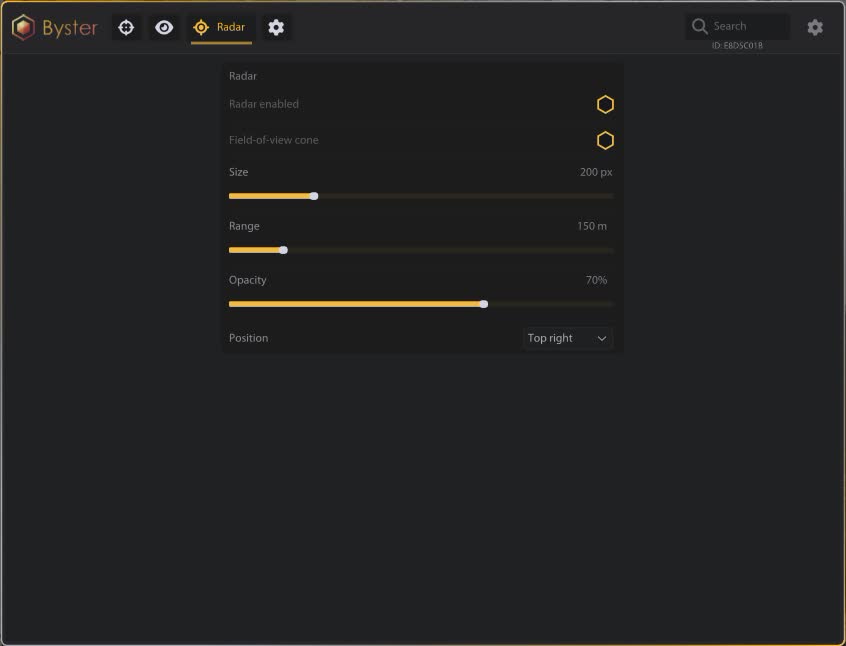
Size, range and opacity on sliders, with four screen corners to choose from. The view cone shows where the enemy is looking.

Misc

Battle mode

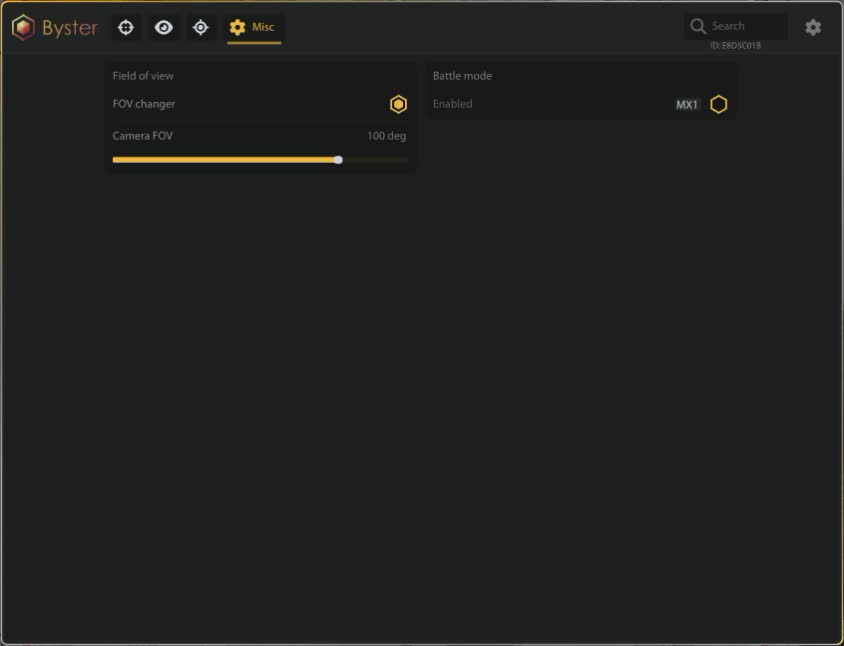
On a key it leaves only living enemies and hostile monsters on screen. Everything else goes dark for the fight.

FOV change

Widens the camera field of view past the game's own limits.

Marker limits

A maximum element count on screen and an overall maximum ESP distance. Without those two settings the Hunt bayou turns the screen into soup.
TARIFFS
259
BUY What happens after payment?
Got a question? Ask before you pay

We'll help you choose and sort out any launch issue. Ask us anything before buying, we're always on your side.

Support 10:00–22:00, sometimes we reply at night too
Ask a question

Available tariffs

1 day
259
START PURCHASE
7 days
1099
START PURCHASE
30 days
2099
START PURCHASE
Reviews about Hunt Showdown Byster

No reviews yet. Be the first to leave one.

Your review

Reviews are published after moderation.

Join our gaming community chat

Discuss current cheats from developers and how to use them effectively in popular online games. Share tactics, exchange useful info and find like-minded players in our community.

1 900+Members
24/7Online
Join our gaming community chat

Technical support

Run into a technical issue? Our team of experts will help. We handle all requests in a live queue, so please be understanding if it sometimes takes a little wait. We guarantee that no request goes unanswered.

Availabilityfrom 10:00 to 23:00
Fast responseIn queue order
Get help
Technical support
PROCHEAT

PROCHEAT news channel

Follow product status changes, update history and important announcements.

Subscribe

What gets highlighted on a Hunt map and why it matters

There are more ESP layers here than in an average shooter, and that is fair: the bayou holds more than enemy hunters. Below is what toggles separately and what each one solves.

ESP layers and what they are worth in a raid
Layer What it shows What it solves
Hunters Enemies, allies and bots separately, box, skeleton, distance, team number in the label Telling a trio from a pair of solos
Monsters Wild targets, grunts, marked, groups, seasonal and dead entities Avoiding a pack and spotting where someone already went through
Boss Its own layer with its own range and colour Deciding in advance whether to enter the lair or wait out a fight
Objectives and exits Clues, contract target, extraction points Planning the route right after the drop
Noise traps Crows, dogs, glass, hives Not giving yourself away by sound, the real currency here
Supplies and gear Med kits, ammo, weapons, rewards and traits Restocking on the way without checking every crate
Hazards Tripwires, bear traps, ammunition on the ground Surviving somebody's prepared position

In practice you cannot switch it all on; the screen will not hold it. Most people keep hunters, the boss, noise traps and objectives, and squeeze supplies and monsters down to about forty metres.

Hunt is a game about sound, which changes what ESP is worth

In most shooters ESP hands you information you would not otherwise have. In Hunt it does something else: it lets you avoid handing information away. The map here works like an alarm system. A flock of crows, chained dogs, a field of broken glass, hives — each of them screams across half the map the moment you step on it.

Which is why the most valuable toggle in this build is not the aimbot or hunter boxes but the noise trap layer. It does not help you shoot. It lets you reach the lair without anyone learning you were walking at all.

Objectives and extraction points on one layer

Clues, the contract target and the exits are drawn together. A normal run goes like this: drop, sprint to the first clue, then the second, and only on the third do you learn where to go. With the layer on, the route is known from the start.

The side effect is nicer than the time saved. Knowing the extraction points in advance lets you pick a lair not by how close it is but by which exit you will be nearest to with the bounty in hand. Most deaths in Hunt happen with the reward already taken, on the way out.

Predictive aim: the bullet travels and drops

Hunt has no hitscan. Every gun has its own projectile speed and arc, and at two hundred metres the difference between a hit and a miss comes down to how well you led the shot. The aim calculates that itself: projectile speed is set separately, and a maximum prediction time cuts off cases where the calculation is already meaningless.

The weapon modifications work together with it. No spread matters not on its own but so random deviation does not ruin the lead calculation. No recoil shows on fast-firing guns and is barely felt on bolt actions.

The preview-only mode deserves its own mention. The aim shows who it would have picked without touching your crosshair. It is the best way to learn how your settings behave in a fight without risking looking like a robot in someone's recording.

EAC, ban waves and two separate appeal queues

Hunt's protection runs on Easy Anti-Cheat at the engine level, but that is not the whole picture. Crytek also issues bans through its own moderation, and the two processes are not connected. They do not even share an appeal queue, so the first step after a ban is reading the error code to work out where to write.

Bans come in waves tied to anti-cheat updates. October 2024 was a telling case: a new EAC core caught over two thousand accounts in forty-eight hours, and a share of those were flagged for ReShade filters, network accelerators and voice program overlays. Meaning waves also sweep up people who installed nothing.

Two practical conclusions follow. First, keep third-party overlays and image modifiers switched off; they add risk on their own. Second, breaking a build in on an account holding seasoned hunters and legendary skins is a bad idea. Private lasts longer than public, but a wave is still a wave.

Questions about this build

Why is the screen a mess of markers?

No limit is set. The general ESP settings hold a maximum element count and an overall maximum distance, and in the Hunt bayou you cannot do without them.

What does prediction give and does it need tuning?

It does. Projectile speed is entered by hand and differs per gun, while the maximum prediction time cuts off distant shots where the calculation lies anyway.

Can I watch how the aim behaves without switching it on?

Yes, that is what preview-only mode is for: the target lights up and the crosshair stays yours.

Does trap ESP show crows and dogs?

Yes, noise traps are their own category: crows, dogs, glass, hives. Tripwires and bear traps sit in the neighbouring one with the hazards.

What about bot hunters?

They are a separate category in both the ESP and the aim. You can highlight them without targeting them, or the other way round.

Will the build survive a game update?

After a patch it gets paused and rebuilt for the new version. The status and last check date show on this page, and downtime is added to your access period.

from 259 ₽ Choose a plan
Ask a question